
Future Trends in Shift Management Software: What Businesses Need to Know
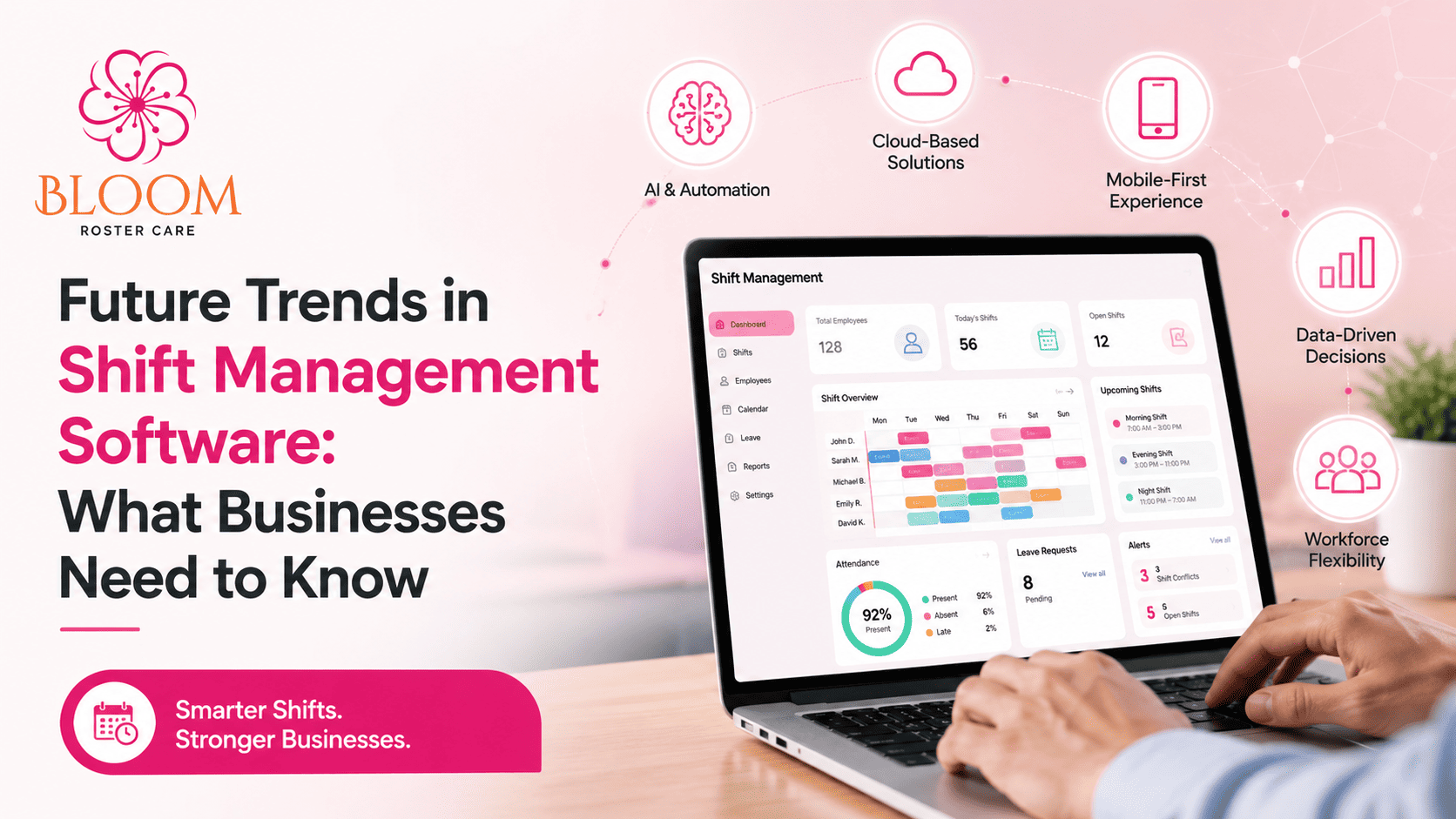
Creating your employee schedules has never been trickier to get right. Multiple sites, shift times, and even hybrid and blended workforce arrangements are the modern reality for countless companies, making old manual processes unsustainable. What many businesses require these days is a more intelligent solution that’s not just about rosters but also efficient and cost-effective while making the workforce’s lives easier; this has resulted in accelerated innovation when it comes to the field of shift management software. If the past two years taught organisations anything, it is to expect and accommodate new ways of working, and if current trend lines are anything to go by, the industry shows no sign of slowing down.
Artificial Intelligence Will Drive Smarter Scheduling
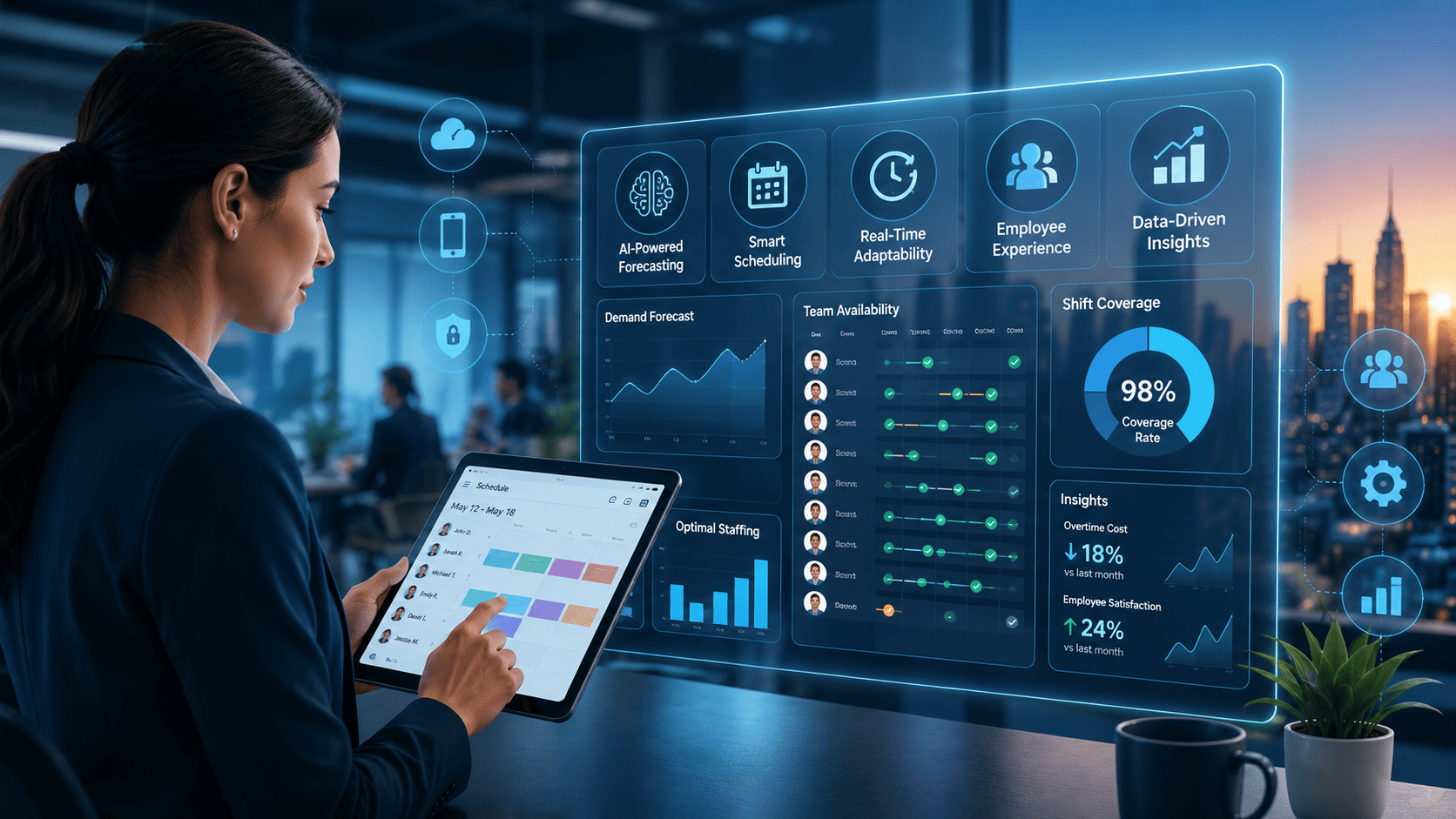
Managing a business workforce, business owners will not have to plan everything out on their own – using the AI software can make forecasting future demand and workforce requirements with ease. Based on the information related to the previous performance, business owners will come to know of the total number of employees required for each shift based on the business target, demand and sales data. AI is also efficient in doing work, as it can avoid work clashes. No time will be taken up by the business owners for scheduling the roster of each employee. If there is any deficiency of workforce, AI will immediately let the business owners know the appropriate person for fulfilling the role. As AI develops more and more, in business it will be much more accurate and efficient.
Predictive Analytics Will Improve Decision-Making
Looking ahead, the scheduling platforms of tomorrow will take advantage of predictive analytics to inform better labour planning. These devices, to discover the cycles a human may otherwise miss, will enable organizations to predict heavy times and scale the workforce up to fulfil requirements. Retailers may find they could expect holiday rushes before the major holidays even come about, service providers in the hospitality industry may find they could estimate increases in tourism for local occasions, and manufacturers could schedule additional personnel through production spikes. This can prevent overstaffing and understaffing whilst providing a greater customer experience without excessive labour expenditures.
Mobile Access Will Become Standard
Employees expect to be able to view work schedules on their cell phones immediately, and future scheduling technology applications will be more mobile-centric than ever. Workers can view their work schedules and book time off work as well as make and accept shift trades and push and pull notifications while not even on site. Managers need to utilise the benefits of having access to scheduling while off-site as well. Managers can process approvals and also fill gaps as needed and communicate to their teams. Quicker communication and the information workers need are delivered to your mobile device, keeping operations up to par. Many businesses that leverage the benefits of a mobile solution may also experience an increase in employee satisfaction.
Employee Wellbeing Will Receive More Attention
Now most businesses recognise that happy employees are efficient employees. Future software solutions to scheduling will make work and employee well-being their priority. Solutions will incorporate tools to control overtime, the distribution of shifts, and workload and adhere to the labour laws, such as those laid out by a union, while perhaps even accounting for an individual’s personal needs within the system. Fair schedules reduce employee burnout and encourage increased staff retention, giving employees that feeling that their business cares about work-life balance.
Cloud Technology Will Continue to Expand
Even with current widespread use, cloud systems still plan on enhancing performance further. Companies do not desire software that still utilises computer systems in the office or in reality or costly apparatus that are going to remain in the office location space. Rather, they desire systems they could keep an eye on at any point with any computer that could log onto the internet as well as watch the most up-to-date alterations and also react quickly to concerns that could show up, such as changes in labour scheduling. Individuals would certainly also desire systems that update on their own, offer heightened security and will certainly expand in size as soon as business develops to feature new offices or personnel without requiring replacement.
Automation Will Eliminate Repetitive Tasks
In the current working world, hours are being squandered on mundane administration and time-consuming paperwork. However, the coming years are set to herald a generation of software that will remove many of the mundane duties which take up a manager’s time. No longer will managers have to spend hours manually allocating shifts or send out individual messages and reminders to staff that a shift is approaching or that there is additional overtime available. Leave applications will be routed through approval systems automatically and checks regarding legal compliance can be performed, leaving the human element to leadership.
Enhanced Compliance Features Will Reduce Risk
Work laws also update on the go in various sectors and geographic locations, thus necessitating that schedules adhere to legal compliances in each region. With time, employee scheduling software will implement robust compliance enforcement features such as monitoring working hour limitations, mandated break times, overtime regulations, and certification compliance. Managers get alerted to pending issues prior to any violations, and they’re able to address them without incurring further fines for the company or penalising their employees. Automatic enforcement is also expected to improve compliance and auditing efforts.
Data Security Will Become Even More Important
With employers collecting more worker information online, cybersecurity stays essential. This will come under a bigger highlight in future workforce management software. Expect new password requirements like multi-factor authentication and much more robust encryption, together with refined gain settings. Providers of worker management applications will also implement more impressive observation tools that will catch possible breaches prior to them transpiring.
Flexible Workforce Management Will Support Changing Work Models
As work becomes more fluid, with organisations blending office staff with remote, contract and part-time employees, scheduling software will evolve too. Forward-thinking shift management software will cover various work environments with support for flexible working across a mix of different staff members all under a single system for both consistent and transparent management. In parallel, workforce management software will offer richer workforce visibility via real-time reporting and performance analytics, enabling leaders to accelerate decisions with the right data. Leading employee scheduling software will also incorporate self-service capabilities empowering employees to control their availability, volunteer for open shifts, and communicate with management more directly.
Conclusion
Smarter, more connected workforce scheduling technology The future workforce management scheduling will utilise smarter and connected technology solutions to ensure that organizations streamline their operations, promote the well-being of employees, and manage a diverse workforce more efficiently. By adopting modern technology for workforce scheduling, the organizations today will remain on track to enhance productivity, compliance, and effectiveness in the near future.
Also Read :- The Hidden Benefits of Using Shift Management Software